
Narendra Modi Stadium – Complete Guide to the World’s Largest Cricket Stadium
Narendra Modi Stadium: The Mecca of Cricket Infrastructure Forever
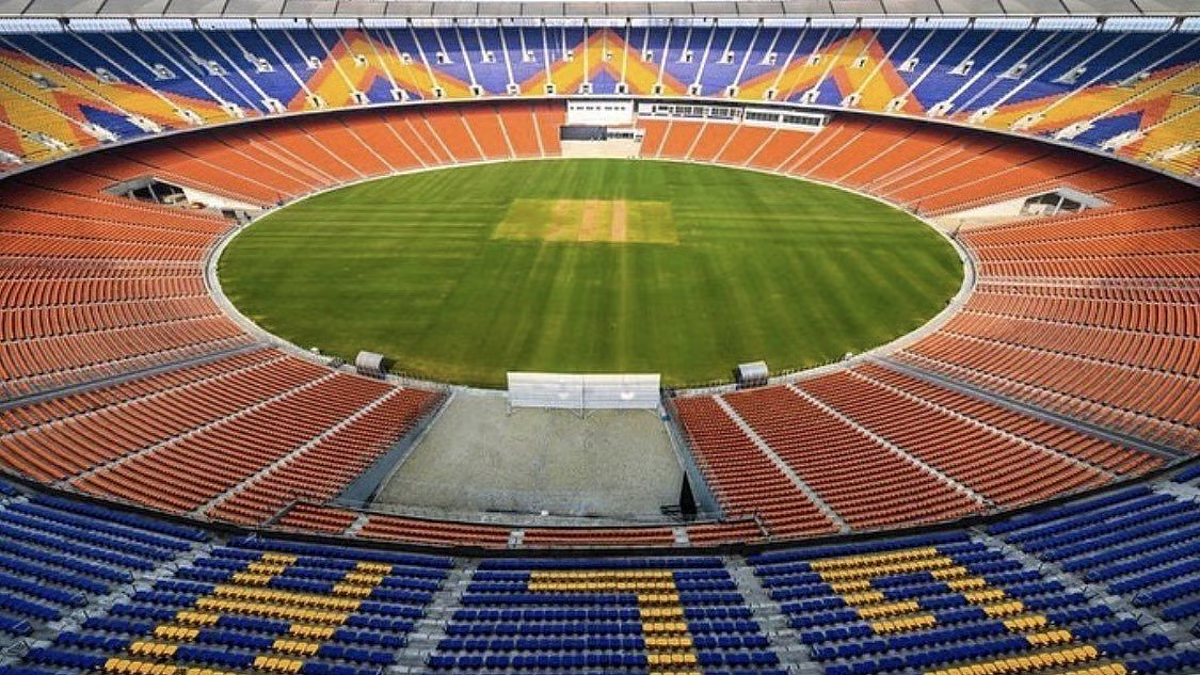
Narendra Modi Stadium – More than a cricket venue: the metamorphosis of cricket infrastructure into an apotheosis of world spectacles This formidable stadium boasts one of the biggest capacities and world-class facilities, building a name for itself as one of the most recognisable sporting venues in the world. Some of the biggest matches have been played here and rarely does any cricketing event unfold on such a grand scale than what has happened at this venue. While it is located in Ahmedabad, Gujarat Currently Narendra Modi Stadium is the largest cricket stadium in the world and one of the largest sports venues across all sports.
Narendra Modi stadium has transformed into more than just a cricket ground, from hosting huge IPL finals to ICC tournaments as well as historic India matches. And it has transformed into not only an icon of the modern Indian sporting landscape but also a global cricketing phenomenon.
The Evolution of Narendra Modi Stadium — From Motera Stadium to A Global Sporting Landmark
History of Narendra Modi Stadium The first Motera stadium in Ahmedabad was built in the early 1980s. It hosted its first International Test in 1983 and over the years became one of India’s leading cricket venues.
The stadium was referred to as Motera Stadium until 2023 and hosted several unforgettable matches for decades. During the earlier age, some of the best performances were recorded here including record innings and significant international match days.
Cricket was changing, and the decision from the authorities was that the ground needed an entire makeover rather than piecemeal changes. The previous building was torn down, and construction began in the mid-2010s with an aim to build the largest cricket stadium in the world.
The refurbishment was completed in 2021 with substantially increased infrastructure for the purpose of building better spectator facilities, modern architecture and technological systems. Over the years, in 2020, it was eventually rebranded as Narendra Modi Stadium, erasing history associated with Motera but preserving its legacy on the pitch.
The evolution from Motera Stadium to Narendra Modi Stadium represents one of the largest stadium redevelopment projects attempted in the history of cricket as we know it today.
Narendra Modi Stadium Infrastructure Details
The size of Narendra Modi Stadium is almost beyond belief until you delve into the figures. With an estimated seating capacity of 132,000 spectators, it is the largest cricket stadium in the world by capacity.
This also covers a huge expanse and has multiple entrances specially built to facilitate larger crowds moving through this in an efficient manner. It will have 76 corporate boxes, premium hospitality areas — which are not the norm with Indian stadiums — four dressing rooms (the conventional number of dressing rooms is two) and extensive practice infrastructure in addition.
The pitch square itself is one of the most advanced in world cricket with a host of match pitches cut across multiple soil types. Such flexibility enables curators to create different playing conditions as required for the match.
From an architectural perspective, the stadium features a pillarless viewing structure that is supported by large Y-shaped columns. This design inherently avoids obstructed views and gives spectators a good vantage point from practically every angle.
The venue will also have practice grounds, indoor training facilities, club areas (along with athlete accommodation spaces), media infrastructure, hospitality zones and premium seating sections.
It cost many hundreds of crore rupees to build, and is said to be the largest ever rootstring infrastructure investment in Indian cricket.
Cricket authorities will still have to deal with ownership and management in Gujarat, while operations have to be coordinated between some more sporting units as well as administrative bodies.
From sustainability steps, to state-of-the-art drainage systems and energy-efficient lighting methods; Narendra Modi Stadium is among the most tech-savvy cricket stadiums in the world.
Narendra Modi Stadium pitch report:Know about the surface
The pitch behaviour of Narendra Modi Stadium is the most searched topic surrounding the venue, thanks to multiple surface variations at their disposal.
Now, Narendra Modi Stadium works on a red-soil pitch in the summer months and black-soil pitch at different times of the year unlike many uh facilities which follow similar surfaces during play all season.
In contrast, red-soil surfaces usually offer additional bounce and pace which encourages shot-making. On the other hand, black-soil pitches usually last longer and help slower bowlers.
The surfaces often come alive in IPL matches for high-scoring contests as teams tend to favour conditions with the bat. But international matches have shown that under the right conditions, bowlers can get the upper hand.
Pacers usually find help with the new ball owing to bounce & carry, but as a match goes, spinners come heavily into play.
Another addition with day-night matches is dew, during the evenings, which can play an essential role in how chasing teams perform.
To sum up, Narendra Modi Stadium cannot be labeled unambiguously as a batsman or bowler-friendly ground since the behavior of pitch is largely dependent on soil selection and preparation strategy.
Narendra Modi Stadium Weather Conditions
Ahmedabad has hot summers, pleasant winters and semi-arid climate for most of the year.
The summer can get very hot, occasionally even reaching burdensome temperatures for daytime fixtures. As a result, many important games are played during evening windows at such tournaments.
Those who argue that cricket is a winter sport point out that weather conditions in winter are much more hospitable for players and spectators alike.
Dew is still a key factor in evening matches of limited overs cricket. There is a lot of thinking that goes on in this regard in the minds of captains, especially while they are deciding whether to bat or bowl first.
Most spectators feel that the most simple time to attend matches is during late autumn as well as early spring season.
The importance of the weather at Narendra Modi Stadium, however, is not to be underestimated since dry conditions, heat and dew combine to facilitate pitch behaviour that often dictates match strategy.
Facilities and Fan experience at the Narendra Modi Stadium
In the age where modern sporting arenas are judged not just for capacity but spectator experience, Narendra Modi Stadium serves on this front too.
The stadium features modern perimeter lighting systems incorporated into the roof structure rather than using traditional floodlight towers. This helps to achieve a more even light source with limited shadows.
Hospitality includes Corporate Suites, premium lounges, VIP Seating areas, food courts and dedicated hospitality sections.
These systems are designed to accommodate millions of people in managing large washroom infrastructure, medical infrastructure, security arrangements, accessibility and crowd management.
Media facilities provide sophisticated production capabilities to meet international broadcast needs.
Official Name and Address of Narendra Modi Stadium
NARENDRA MODI STADIUM, MOTERA – AHMEDABAD GJ
Full Address:
Narendra Modi Stadium
Motera
Ahmedabad
Gujarat
India – 380005
The venue will be located close to all major transport corridors and still remain quite accessible from Ahmedabad at large.
Located in north Ahmedabad, it also benefits from connectivity through road, metro infrastructure and airport.
Also check: PBKS Punjab Kings Squad 2026
Reaching Narendra Modi Stadium
What makes it relatively easy to get to Narendra Modi Stadium is the excellent transport connectivity.
Metro travel during the big matches is generally regarded to be the easy option. Ahmedabad Metro network brings the audience close to stations, rather than regarding road transport and leading to traffic jams.
Ahmedabad Railway Station serves as a gateway for travelers commuting from out of town, but the airport also connects domestic and international.
Services such as local buses, app-based taxis (Uber and Ola), auto-rickshaws, and private vehicles continue to be a means of transport.
People travelling in personal vehicles should make note of traffic jams on days when IPL playoffs, World Cup matches or other important international fixtures are taking place. Arriving early significantly improves convenience.
Metro transport is frequently the best option on match days due to crowd sizes.
Narendra Modi Stadium International Records
The Narendra Modi Stadium has seen some incredible records across formats.
Being a Test cricket venue, the ground has produced historic bowling adventures over spin-friendly surfaces.
In ODI cricket, high scores are often created with bases often staged by batsmen.
After white-ball supremacy by India for more than a decade, T20 internationals have boiled down to ferocious scoring between batsmen.
And the turf has seen landmark partnerships, double centuries, rapid scoring rates and match-winning bowling displays.
IPL Records at Narendra Modi Stadium
The Narendra Modi Stadium has now become the face of the IPL due to hosting playoffs and finals time and again.
The ground averages high scores often, especially in evening games.
Here, we have seen a plethora of explosive batting performances including centuries and match totals in excess of 400 runs.
The venue has seen some of the best IPL finals which includes moments where champions were made in the last moments.
It is when your tactical planning becomes particularly important especially with large boundaries, fast lawns and dew factors.
Narendra Modi Stadium Greatest Matches
Indeed, the stadium’s legacy was solidified by a number of matches.
The 2021 pink-ball Test between India and England garnered massive viewership as it was the first international Test following reconstruction.
The games hosted here attracted huge crowds and millions of TV viewers worldwide.
Time and again, IPL finals made this backyard the biggest cricketing stage.
But given the way such fixtures create theaters of extraordinary atmosphere, historic India versus Pakistan contests only added to its reputation.
Having hosting knockout games on a loop means Narendra Modi Stadium is even more synonymous with the most pressure-packed stages of cricket.
Narendra Modi Stadium: Most Iconic Performances
It is performances that will be the method of memories at great stadiums.
Many batsmen have played some of the most scintillating centuries this side of the planet, while bowlers have executed match-winning spells under immense pressure.
The venue’s history is a tapestry woven out of massive IPL knocks, some scintillating World Cup centuries, mere mortals tomahawking apart spin on Test matches and panic-stricken heroes delivering in chase masterclasses.
Since those breathtaking highs resonate in front of thousands, players that sparkle at Narendra Modi Stadium become synonymous with it.
Why Narendra Modi Stadium Stands Out
The most conspicuous distinction about Narendra Modi Stadium is size.
It has no rival when it comes to running a cricket stadium.
Located in one of the pivotal regions, the venue is not just a full-capacity stadium—it’s modern architecture, cutting-edge lighting systems, more than one pitch alternative, hospitality infrastructure and transport access.
From an economic perspective, big games create massive movement for hotel suites, tourist attractions, transportation and local businesses.
On a cultural level, the stadium is one of the most potent national sporting identity symbols in India.
It seems that the legacy of Eden Gardens will only increase in the future, be it International series or T20 leagues like IPL, finals or ICC events.

